
Shin Splints and Teenage Athletes: Prevention and Recovery
Teenagers are often full of energy and enthusiasm, diving headfirst into sports, training sessions, and competitions. While physical activity is crucial for their health and development, it’s not uncommon for active teens to experience discomfort or injuries along the way. One of the most common issues among young athletes is shin splints — a painful condition that can sideline them from doing what they love.
At Harrison Child & Family Clinic, we understand the unique needs of teenage athletes and are here to support them in staying active, healthy, and pain-free. In this blog, we’ll explore what shin splints are, how to prevent them, and how chiropractic care can aid in recovery and keep your teen performing at their best.
What Are Shin Splints?
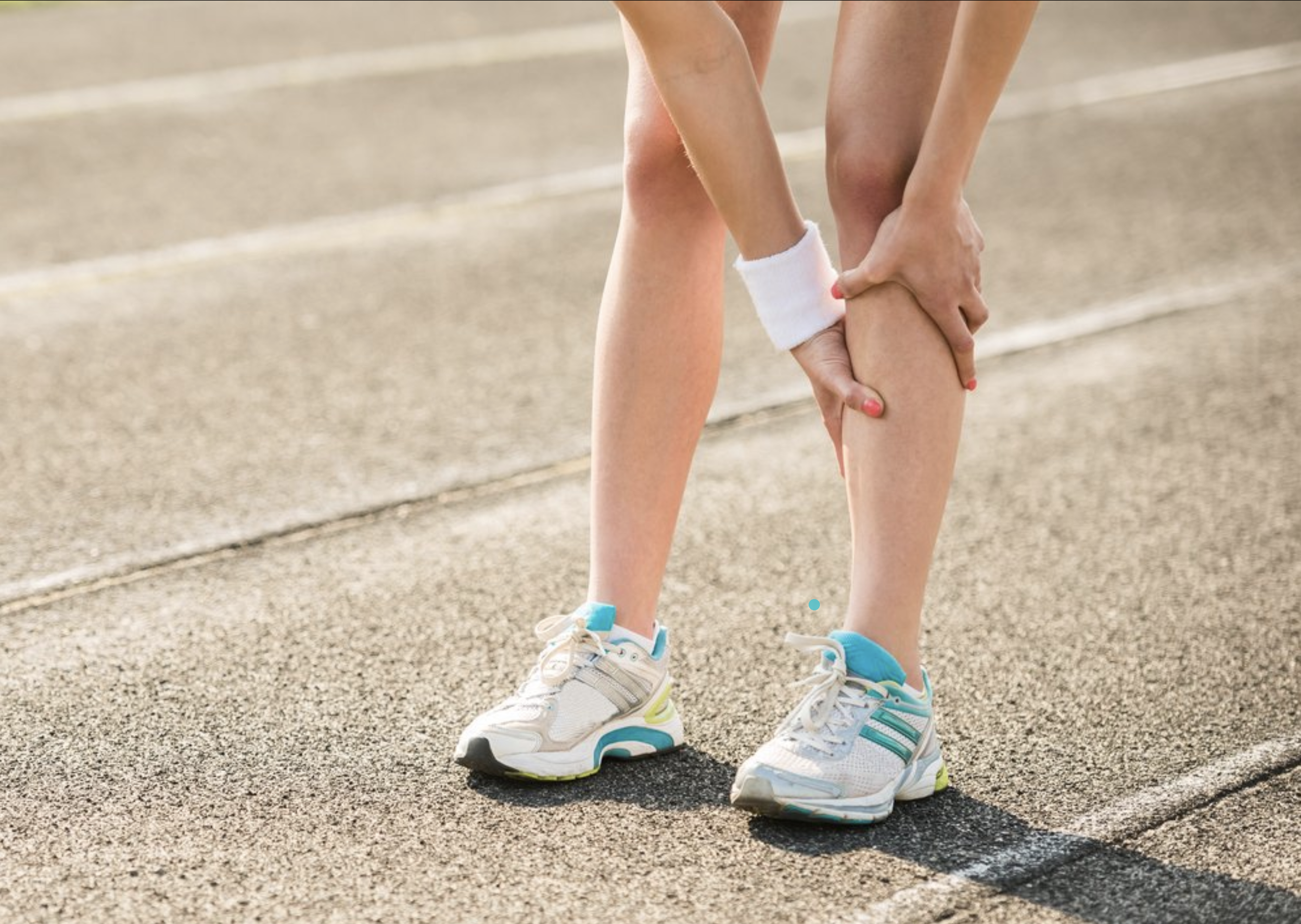
Shin splints, also known as medial tibial stress syndrome, refer to pain along the inner edge of the shinbone (tibia). This condition is common in runners, dancers, and athletes who participate in high-impact sports.
Shin splints occur when the muscles, tendons, and bone tissue around the shin become inflamed due to repetitive stress or overuse. This pain can range from mild discomfort to severe aching that worsens with activity.
What Causes Shin Splints in Teen Athletes?
Several factors can contribute to shin splints, particularly in growing teens who are still developing their musculoskeletal systems:
Overuse or Intense Activity: Rapid increases in training intensity, frequency, or duration can overwhelm the lower leg muscles.
Improper Footwear: Wearing shoes with insufficient support, especially during sports, can strain the lower leg.
Flat Feet or High Arches: Structural issues in the feet can alter the biomechanics of movement, increasing stress on the shins.
Training Surfaces: Running on hard surfaces or uneven terrain can exacerbate stress on the lower leg.
Muscle Imbalances or Tightness: Weakness in the calves or poor flexibility can shift excess strain to the shins.
For teenagers, these contributing factors can be amplified by growth spurts, where the bones and muscles grow at different rates, leading to increased susceptibility to injuries like shin splints.
Signs and Symptoms of Shin Splints
Recognising the signs early can help prevent shin splints from progressing to more severe conditions, such as stress fractures. Common symptoms include:
Pain or tenderness along the inner side of the shinbone.
Swelling in the lower leg.
Discomfort that worsens during or after physical activity.
Pain that persists even during rest in more severe cases.
How to Prevent Shin Splints in Teen Athletes
Prevention is always better than cure, especially for active teens who want to stay in the game. Here are some tips to reduce the risk of shin splints:
Wear Proper Footwear
Ensure your teen wears well-fitted shoes with proper arch support and cushioning, suited for their specific sport or activity.Gradual Training Progression
Encourage your teen to increase the intensity and duration of their workouts gradually to avoid overloading their muscles.Warm-Up and Cool Down
Stretching the calves and hamstrings before and after physical activity helps improve flexibility and reduce tension on the shins.Strengthen Supporting Muscles
Exercises that strengthen the lower leg muscles, such as toe raises, can provide better support during movement.Cross-Train
Include low-impact activities like swimming or cycling to reduce stress on the legs while maintaining fitness levels.Use Proper Technique
Poor running or jumping techniques can strain the shins. Consider working with a coach to ensure your teen is using the correct form.Monitor Training Surfaces
Encourage your teen to train on softer surfaces like grass or rubberised tracks instead of hard concrete.
How Chiropractic Care Can Help Teen Athletes with Shin Splints
At Harrison Child & Family Clinic, we are dedicated to providing comprehensive care for young athletes, and chiropractic care plays an essential role in addressing shin splints. We can also collaborate with other healthcare professionals, such as podiatrists, to ensure your child gets the best, well-rounded support for their needs.
Chiropractic care can support your teen in several key ways:
1. Addressing Misalignments
Misalignments in the spine, pelvis, or lower extremities can alter the body’s biomechanics and contribute to uneven stress on the legs. Chiropractic adjustments help restore proper alignment, ensuring balanced movement and reducing strain on the shins.
2. Improving Joint and Muscle Function
Chiropractors can use gentle mobilisation techniques and soft tissue therapy to reduce tension in the calves, shins, and surrounding muscles, improving flexibility and function.
3. Enhancing Recovery
Inflammation and pain caused by shin splints can be addressed through specific chiropractic techniques that promote better circulation and healing in the affected area.
4. Preventing Future Issues
By identifying and addressing underlying issues like flat feet, poor posture, or improper gait patterns, chiropractic care can help prevent shin splints and other overuse injuries from recurring.
Working alongside podiatrists, we can provide additional expertise, such as custom orthotics or footwear recommendations, to address structural foot concerns and ensure long-term comfort and performance for your teen.
When to Seek Help
If your teen is experiencing persistent shin pain that doesn’t improve with rest or begins to interfere with their daily activities, it’s time to seek professional support. Early intervention can prevent the condition from worsening and get your teen back to doing what they love sooner.
At Harrison Child & Family Clinic, we understand the unique needs of teenagers and their growing bodies. Whether your teen is recovering from shin splints or you’re looking for ways to support their overall musculoskeletal health, our team is here to help.
Our paediatric chiropractor specialises in gentle, personalised care tailored to your teen’s specific needs. We work collaboratively with podiatrists and other healthcare professionals to provide a comprehensive approach to your teen’s recovery and wellness.
If you’d like to learn more about our services or schedule an appointment, feel free to get in touch - we’d love to hear from you!
Stay connected with us on our socials (Facebook and Instagram) for more information, tips, and resources about raising healthy, happy children.